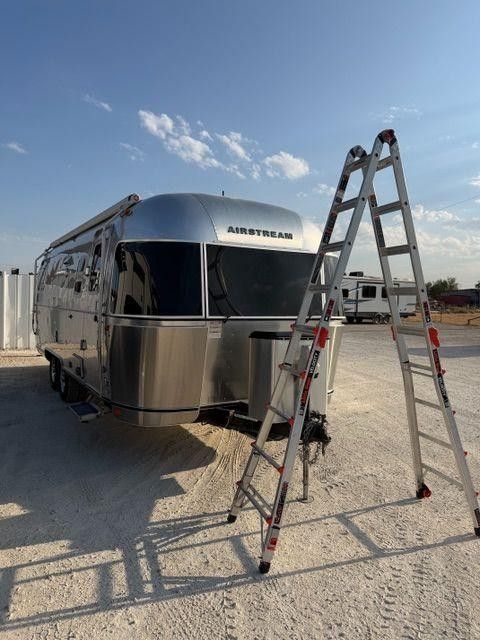
The RV Looked Perfect
A FEW THINGS EVERY RV BUYER SHOULD CONSIDER

One of the most common questions I receive is, "How much do you charge for an inspection?"
Sometimes that question is followed by, "I can get one done for a lot less."
Other times it's, "I'm pretty handy. I can look it over myself."
Maybe.
The better question isn't what an inspection costs. It's what happens when you don't get the right inspection before you buy.
Over the past several months, I've had multiple maintenance customers whose stories began long before they ever called me. In each case, they had already purchased their RV. Each time, the dealership assured them everything had been checked and was ready to go. Each time, they quickly discovered that wasn't the reality.
One customer bought a used RV and spent the next several weeks sorting through problems that should have been identified before closing. Six months later, one issue is still unresolved. The oven didn't work, and the required parts and repairs took weeks to complete after the purchase. The main awning fabric was torn and covered with organic growth. The awning itself wouldn't extend or retract properly. Even the tires turned out to be older than expected, despite the dealership promising they would be replaced before delivery. Fortunately, that promise was in writing, and it was honored. Unfortunately, the spare tire was never replaced and remains older than I would trust if it ever had to be put into service.
Another customer had been using me for maintenance on their previous camper. They told me they wouldn't buy another RV without having me inspect it first.
Then they found “The One."
Like many buyers, excitement took over. They skipped the inspection.
We've all done it. Whether it's an RV, a vehicle, or even a house, once we've convinced ourselves we've found exactly what we want, it's remarkably easy to overlook things that don't fit that picture. Psychologists call it confirmation bias. Most of us simply call it being excited (ahem... or in love).
That's one of the greatest values of an independent inspector. The inspector isn't emotionally invested in buying the RV. They're not trying to justify the purchase.
The inspector's job is simply to evaluate what's there, not what everyone hopes is there.
This RV was brand new. Within two weeks of taking it home, they began finding cosmetic defects. Appliance problems followed. During their first camping trip, the oven shot flames out the back and scorched the wall behind it. They managed to extinguish the fire before it became something much worse.
The dealership then kept the RV for nearly two months to perform warranty repairs after the owners had enjoyed it for only a couple of weeks. To make matters worse, when freezing weather approached, they were charged to winterize the RV because it was sitting on the dealer's lot awaiting warranty repairs instead of in their own garage—or vacationing somewhere warmer.


These stories have something else in common.
They didn't even involve the same dealership.
In both cases, the dealership believed the RV had been inspected. The buyers paid for their RVs, then lost valuable time returning them for repairs. One customer may still be waiting for everything to be resolved. One lost months waiting for repairs before using the RV as a temporary residence. The other lost much of their camping season and narrowly avoided what could have become a much more serious safety event.
Most dealerships perform a pre-delivery inspection, commonly called a PDI. The technicians performing those inspections often work hard and genuinely want to do a good job. The challenge is time. In many dealerships, a technician may have only an hour and a half to two hours to prepare an entire RV for delivery while under pressure to get it sold.
That's a very different process from an independent pre-purchase inspection.
A pre-purchase inspection can't guarantee that an RV will never have problems. No honest inspector can promise that. Appliances can work during an inspection and fail the next day. Mechanical components wear out. Things break. An inspection is a snapshot in time, performed by a human being, not a promise that nothing will ever go wrong.
What a pre-purchase inspection can do is identify existing defects, document their condition before money changes hands, and give a buyer the information needed to negotiate repairs, renegotiate the purchase, delay delivery until issues are corrected, or simply walk away.
That's where the real value of an inspection isn't measured by what it costs.
It's measured by what it helps you avoid
Next time in the RV Whisperer Files: The Qualifications Behind the Report—what to look for in an RV inspector before you trust them with one of the largest purchases you'll make.